By Ayla Dillard
Presenters Noelle Wittliff, LMFT, and Caroline Carter, PsyD, with CFC Director Hana Novak, SLP, and CFC Founder Tina Payne Bryson, PhD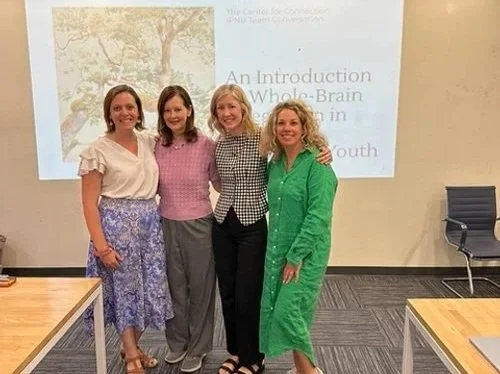
On the first Monday of each month, our interdisciplinary team is led by none other than our founder, Dr. Tina Payne Bryson—New York Times best-selling author of The Whole-Brain Child and No-Drama Discipline. These training experiences bring the latest brain and attachment science and strategies into our work.
Guest Presenters on Whole-Brain Integration
This month, we had the honor of welcoming two guest presenters: Noelle Wittliff, LMFT, and Caroline Carter, PsyD, co-authors of a forthcoming book that introduces a new framework for understanding gender development through the lens of whole-brain integration.
Caroline Carter, PsyD
Noelle Wittliff, LMFT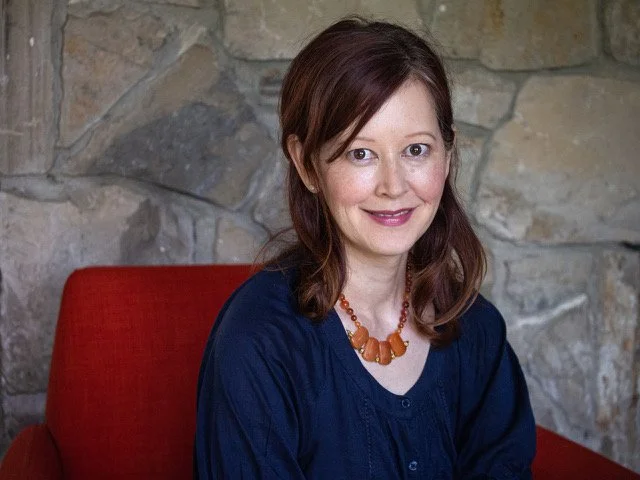
Their presentation, “An Introduction to Whole-Brain Integration in Trans and Nonbinary Youth,” helped our interdisciplinary team explore how early experiences—especially in relationships—shape a child’s developing sense of identity. They shared powerful metaphors, clinical reflections, hands on learning tools, and practical strategies that illuminated how experiences like gender dysphoria and minority stress can disrupt integration—and how attuned, brain-based support can foster healing and coherence.
As Dr. Bryson shared last month—“connection is protection”—and that includes connection to self too.
Key Takeaways for Clinicians and Caregivers
Some key takeaways from the training that apply to both clinicians and caregivers included:
-
Perception
Helping kids feel seen—not just based on how they appear outwardly, but in who they know themselves to be on the inside. Small moments of reflection and affirmation can significantly increase a child’s sense of safety and coherence.(For example, if a child shares that they feel like a boy, the clinician can reflect this back. I sometimes just say, “I believe you. You know who you are.”)
-
Attunement & Reflection
Slow down and take time to notice and reflect a child’s own words and experiences back to them, so they feel their inner sense of self linking with how others see and perceive them.(For example, when a child describes their joy at wearing a favorite outfit, you can mirror that back—“I see how happy you feel in that”—helping the child connect inner experience with outer affirmation.)
-
Safety & Belonging
Consistency, respect, and openness help create environments where kids can bring their whole selves into the room—knowing they’re accepted just as they are.(For example, invit the child to share what name and pronouns they’d like to use that day, and consistently honor it, communicating safety and belonging.)
-
Whole-Brain Lens
Supporting integration means engaging both the emotional and logical parts of the brain. Using clear language alongside emotional attunement helps kids process their experiences in a way that fosters resilience, coherence, and self-understanding.
This powerful training session reminded us that supporting transgender and nonbinary youth isn’t about having all the answers—it’s about being present, attuned, and willing to see each child as a whole person, deserving of both clarity and compassion.
We’re so grateful to Noelle and Caroline for sharing their wisdom and look forward to their upcoming book as well as continuing this important conversation—within our team and with the families we serve. 💖
Be sure to follow @themindfulpath and @drcarolinecarter on instagram! And if you’re a clinician interested in this training, Noelle and Caroline will be presenting at the Institute for Girls Development on Friday, September 26th, from 9:00 am to 11:00 am. Learn more here or visit their website!