
Our two amazing clinicians, Olivia Martinez-Hauge, MA, OTR/L, and Christine Triano, LCSW, just published an article in Psychology Today called “Ready, Sense, Go! 12 sensory strategies to support your teen’s distance learning.” Scroll down to view all 12 strategies and read the full article:
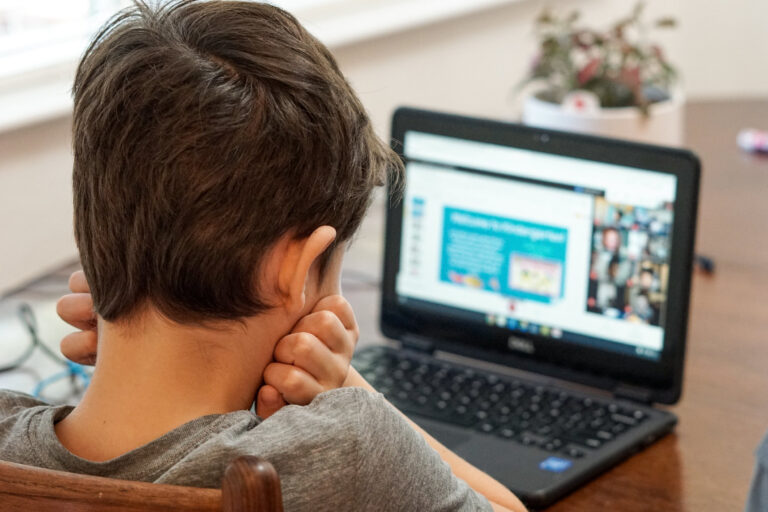
Many students are well into their fall semester online at this point, and what I hear from the teens I see regularly (also online!), is that they are tired. This is a different kind of tired than the usual adolescent exhaustion. It’s their nervous systems experiencing the toll of being immersed in an online environment up to six hours per day (or more) for classes and extracurricular meetings, followed by hours of homework… on their computers.
Collaborating on Sensory Health
To find some ideas to help my clients alleviate this stress and better care for their minds and bodies, I turned to my colleague Olivia Martinez-Hauge, MA, OTR/L, a marriage and family therapist associate who, for the past 18 years, has worked within the private sector and public school systems as a pediatric occupational therapist.
“I think addressing a teen’s sensory health is so important and often overlooked because of their age and increasing independence,” shared Martinez-Hauge. “While your teen might be waving you out of their room and locking the door behind you, I think it is still important to set your teen up for success with easy tips and strategies to care for their sensory system.”
-
Practical Sensory Tips for Teens
Play with the lighting. Sometimes an overhead light is too bright. Try a muted desk lamp, or move their work station closer to a window for some natural light.
-
Tired eyes. Try having your teen toggle with the accessibility features on their computer. Some computers dim to a blue light filter and most have a “high contrast” feature. Adjusting computer lighting and/or contrast can give the eyes a break.
-
Visual breaks. Encourage your teen to take frequent visual breaks. Have them relax their eyes into a “panoramic” view of their surroundings. By taking a break from using their focused vision, they can calm and downshift their brain.
-
Sound. Make sure your teen is not fighting to hear over external noise; headphones or earbuds are good ways to limit distracting noises (just monitor the volume). It can add an extra layer of exhaustion to continuously try to filter out unnecessary stimuli in order to attend to the important stuff.
-
Seating. Good seating is not only important for the body, but for keeping focused too. Different seating can give your student enough of a boost to stay engaged just a bit longer. Seating ideas include: swivel chair, ball chair, standing instead of sitting, stool, or a combination of all of these.
-
Laptop position. Invest in a computer stand or place the computer on top of a large ringed binder; this raises the screen closer to eye level and positions the keyboard in a better position for typing.
-
Movement. Regular movement helps prime the brain for learning. Encourage your teen to take regular movement breaks and, most importantly, to listen to their body and move when they need to move.
-
Snacks. Help your teen put together a snack basket to keep close by. Try packing it full of items that are chewy to give a lot of feedback that will wake up the nervous system. Some examples: jerky, granola bars, crackers, carrot sticks, gum, sour candies, nuts.
-
Fidgets. There are so many fidgets out there for the hands, but a small piece of putty and/or clay can work wonders for regulation. Also, fidgets are not just for the hands! Try putting a tennis ball, textured mat, or foam roller at your student’s feet to keep their bodies busy while keeping their hands free.
-
Furry friends. Consider letting your teen have the family pet nearby during distance learning. This can provide emotional support and a sensory break when brushing, holding, or attending to the pet.
-
Calm apps/websites. Encourage your teen to pick one or two favorite apps for breathing, moving their body, or calming their nervous system. Have your teen share the app with you and maybe both of you can start off your day with a guided meditation or some deep breathing.
-
Check-ins. Just because they roll their eyes and can do things on their own doesn’t mean they don’t need you. Check in with your teens from time to time to offer some co-regulation and remind them they are not alone. A tall glass of lemonade and a cookie can’t hurt either.
I know I will be sharing these ideas with teens and parents in the coming weeks. One more thing to consider with teens is that they are so socially attuned at this age and stage that looking at the faces of all of their classmates at once can be quite intense. Knowing this, I encourage them to regularly take a moment to look away, to gaze out the window, and to surround their workspace with items like photos, drawings, or mementos that soothe and comfort them.
Lastly, I so appreciate Hauge-Martinez’s final point, as relationship and connection are the name of the game. Being there for your teen is always a great strategy to set them up for success.