Checking in at the end of the pandemic summer.
This article originally appeared in Psychology Today.
After the initial flurry of worries this past spring about the aimless summer our teens were facing, things seemed to largely settle down. It turned out that a healthy dose of unstructured time, more sleep, and even some boredom, was not so bad. Yes, a lot of carefully considered plans disappeared almost overnight, but as parents we shifted gears and found a way to soothe our anxious souls about the disappearance of the idea of what summer should be.
As for our teens, they too had to sit with disappointment. But then, they were largely fine. And by that I mean, they really were OK. Yes, they missed seeing friends in person as much as they would like. They may have even pushed to get out more than felt safe or possible. But the teen brain is nothing if not wired to seek connection with peers, and thanks to the range of virtual options available, for the most part they kept the channels open.
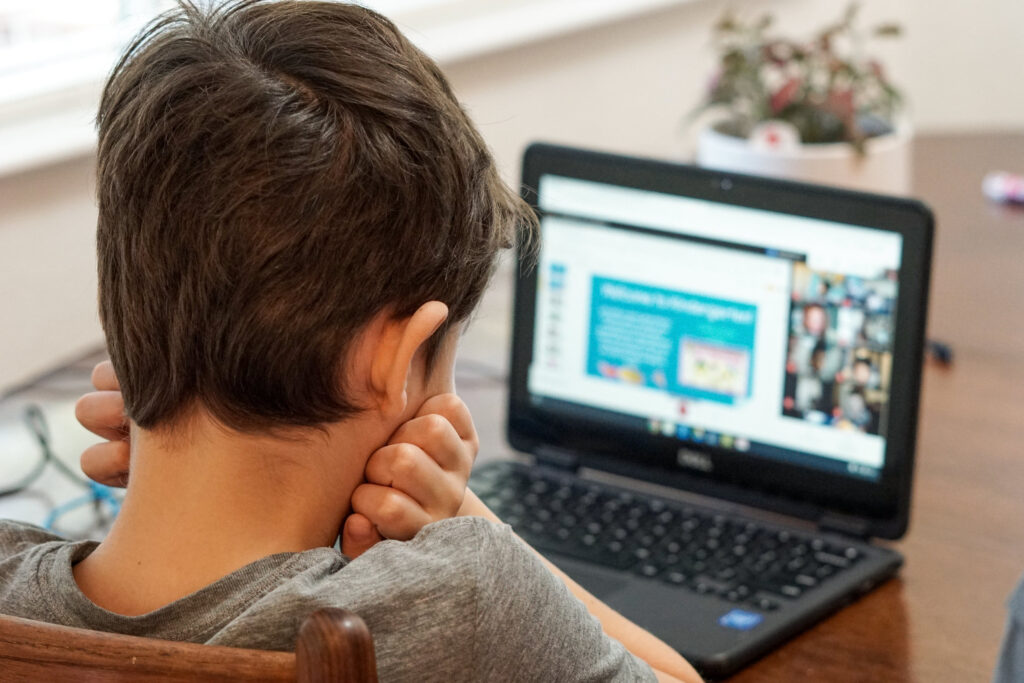
Now, in the seeming blink of an eye, here we are at back-to-school time. Just like those graphs charting COVID rates, I can’t help but notice the uptick in parental anxiety, no doubt fueled by the ongoing discussion of the limits and drawbacks of online learning and the chaotic experience many had at the end of the last school year. For those parents whose kids are back in person, there are other worries, but for the large part of the country sending their teens back to school online, it’s been a time for lots of deferred worries to come rolling back in. Here are a few I’ve been hearing:
I’m worried they’re going to fall behind. This one is persistent. My own son is entering his senior year and working on college applications. Grades matter right down to the moment he presses “submit.” To this refrain, I talk with parents about hitting pause and taking a overhead view for a moment. Our kids may in fact fall behind on the schedule of traditional academic benchmarks. But consider this: When all kids are “behind,” what does that even mean anymore?
Ask any teacher, and they will tell you kids fall behind all the time. After each summer break or winter vacation, there is always learning to recover. Our kids will eventually catch up on their academics. What I’m curious about is what are the opportunities to help them actually build skills and get ahead during this time?
Adolescence is such an important time in the growth and sculpting of our teen’s brains—and the experiences needed to set them up to successfully launch into young adulthood go way beyond school. A few ideas to practice include:
-
Have your teen schedule their own doctor, dental, haircut, therapy or other appointments.
-
Collaborate on making dinner one night a week with the goal of handing it over completely.
-
Learning to drive and the basics of car maintenance.
-
Build financial and budgeting basics. (My 19-year-old is looking to buy a car, which has opened the door to learning about loans, interest rates, credit scores and more.)
-
Talk about how to shift more responsibility for their “stuff” to them. This means things like doing their own laundry, changing their linens and towels, cleaning their room, getting their own toiletries—basically anything related to their room and their self-care.
How do I know they are actually doing their work? Yes, sitting in front of a screen offers a chance to look at more screens. A motivated adolescent will figure out how to play Fornite during Algebra or chat with friends during French. To this, ask yourself, how would I feel if they were actually in school? Would you be worried about what they were doing in class? Would you be calling or texting them to see if they were following to the Powerpoint on factors? Most likely, not. Then do the same. They are in school, it’s just that you can see them now and that tends to push our parental worry buttons.
We can help them prepare to maximize their learning by talking about their set-up, their schedule, and by making sure they have what they need in their environment to help them stay focused and comfortable. But then, just like dropping them off at the curb, take a deep breath and walk away. We all know that teenagers pretty much never find motivation from our hovering or nagging.
I can’t get them interested in doing anything. It may be even harder to get your teen out of their room or away from their screens now that school has started. Again, think about what the first month or so of going back to school is usually like. It’s probably not unusual for your teen to be tired after school, or even need a nap, as they adjust to an earlier and more structured schedule. My high school student has shared how he misses coming home to an empty house, where he really enjoyed a couple of hours of downtime to himself before everyone else got home.
Give it a little time and try to engage where you can. Don’t suddenly make all conversations about school or homework or the need to do productive things. Instead, try exploring what it’s like for them to be going through this strange, new experience of the way school is happening. As always, you can’t lose by keeping the focus on connection.
Your relationship with your teen is still one of the best predictors of their emotional well-being. They may appear to be pulling away, but they need your support as much as ever. By staying curious and open, by saying less and listening more, you have the tools to continue to invest in your evolving relationship with your teen, pandemic or not.
About the Author
Christine Triano, LCSW, is a licensed clinical social worker and psychotherapist specializing in the treatment of adolescents, adults, families, and creative professionals. You can find her on Facebook and LinkedIn.